232LPTTL Ttl Converter RS232
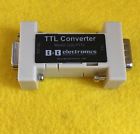
( Brand: B&b ), ( Manufacturer Part Number: 232LPTTL ), ( Part Type: Converter )
Review B&B Ttl Converter Electronics Rs232
The 232LPTTL TTL Converter is a versatile and essential device for seamless communication between TTL (Transistor-Transistor Logic) and RS-232 (Recommended Standard-232) systems. This converter is designed to bridge the gap between these two incompatible digital communication standards, enabling devices that use TTL logic to communicate with devices that use RS-232 protocol.
The 232LPTTL TTL Converter is compact and lightweight, making it easy to incorporate into various projects and applications. It features a robust design that ensures reliable operation even in harsh environments. The converter supports data rates up to 115.2 kbps, ensuring fast and efficient data transfer.
The device is equipped with a DB9 female connector for RS-232 compatibility and a 25-pin D-sub connector for TTL compatibility. This ensures compatibility with a wide range of devices, including computers, microcontrollers, and other digital equipment. The converter also includes LED indicators for transmit and receive data, providing real-time feedback on the status of the data transfer.
The 232LPTTL TTL Converter is easy to use, with no complex setup required. It is powered by a 5V DC supply, making it compatible with a wide range of power sources. The converter is also RoHS compliant, ensuring that it meets the highest standards of environmental friendliness.
In conclusion, the 232LPTTL TTL Converter is a must-have tool for anyone working with TTL and RS-232 devices. Its compact size, robust design, and easy-to-use features make it an ideal solution for a wide range of applications, from hobby projects to professional use in industries such as automotive, telecommunications, and medical equipment.
Pros of buying a 232 LPT to TTL TTL converter:1. Compatibility: It allows you to connect devices that use RS-232 protocol to devices that use TTL (Transistor-Transistor Logic) protocol. This is useful in situations where you need to interface devices with different communication standards.
2. Versatility: The converter can be used with various devices such as microcontrollers, computers, and automation systems.
3. Cost-effective: It's often less expensive than buying a new device that supports both protocols.
4. Easy to use: The converter typically requires minimal setup and configuration, making it a straightforward solution for many applications.
Cons of buying a 232 LPT to TTL TTL converter:1. Limited data rates: Some converters may have lower data transfer rates than devices using the native protocols, which could affect the performance of certain applications.
2. Power consumption: The converter may consume additional power, which, if not accounted for, could impact the overall power efficiency of the system.
3. Signal quality degradation: Converting signals from one protocol to another can sometimes lead to a loss of signal quality or integrity.
4. Limited compatibility with certain devices: Not all devices support RS-232 and TTL, so it's essential to check the compatibility of your devices before purchasing a converter.
Conclusion:A 232 LPT to TTL TTL converter can be a useful tool for interfacing devices with different communication standards. However, it's crucial to consider the potential limitations, such as limited data rates and signal quality degradation, to ensure the converter meets your specific application requirements. If you're unsure or need more information, it might be beneficial to consult with a professional or the manufacturer of your devices.
Recommendation:When shopping for a converter, consider factors such as data transfer rates, power consumption, and signal quality. It's also essential to choose a reputable manufacturer and read reviews to ensure the converter is compatible with your devices and meets your performance expectations.
Details:
Looks to be in great shape.
part #: 232lpttl prices
- $49.99-$55.24
specifications voltageregula:
- brand: B&b
- mpn: 232lpttl
- part type: Converter
Ratings:
- arrived quickly but missing a cord andnot working, seller refunded immediately! 07-30-16
- perfect as described & promptly shipped !! thanks 07-30-16
- great transaction 08-03-16
- excelente vendedor correto e atenciosa 07-31-16
- Works Great! 08-01-16
Payments voltageregula:
- PayPal
Offer voltageregula:
- # Sold: 0
- quantity: 1
- Started: August 4, 2016, 4:42 pm
- # bids: 0
- best offer: false
General voltageregula:
- in stock: Yes
- condition: Used
- Business & Industrial > Electrical & Test Equipment > Electronic Components > Semiconductors & Actives > Power Regulators & Converters
Returns voltageregula:
- paid by: Buyer
- time: 14 Days
- type: Money Back
- details: Restocking fee: No
- policy: returns accepted
Shipping voltageregula:
- handling: 2 days
- type: Calculated
Seller voltageregula:
- city: San Jose, California
- zipcode: 95131
B&b 232LPTTL Is Similar To:
- 100-a Ppm S P Sine Ttl Converter Lot 935 (42.4% similar) ...(September 18th, 2016)
- Cadeka Microcircuits Spt7824bcn Ic A d Converter 40msps 10 Bit Ttl Interface (26.4% similar) Cadger SPT7824BCN dip 28. Medical imaging. 10-BIT, 40 maps, ttl output a/d converter. On board track/hold function assures excellent dynamic performance without the need for external components. Electronic warfare. Radar receivers. Inputs and outputs are ttl compatible to interface with logic ...(September 1st, 2023)